Note No. 03 · Objection reply
You do not need the plant name to begin.
Naming is the end of a long look, not the price of admission.
The belief
I need to know the right answer before I start.
What we say instead
Adults are allowed to explore alongside children instead of ahead of them.
The most common reason a parent tells me they have not tried nature study is not time. It is embarrassment. They do not know what the tree is and they do not want to be caught not knowing in front of a five-year-old.
Family science guidance is unusually direct about this: the adult does not need to be the expert. Exploring together, wondering out loud, and writing the question down are all legitimate moves. I would go further. Not knowing is the more useful posture, because it models what to do when you are stuck.
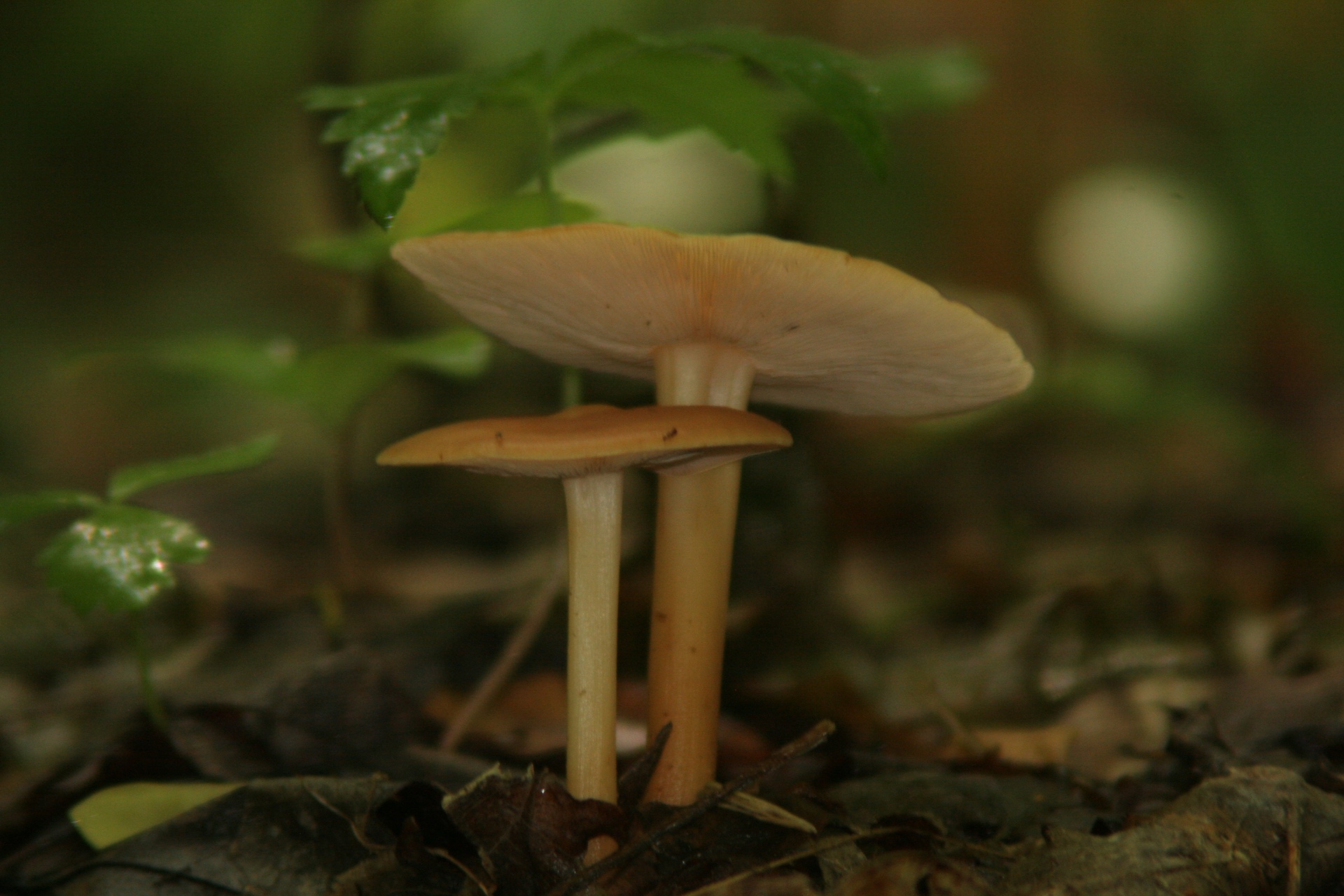
What I say now, out loud, is: I do not know. Let us look at three things about it and see if that helps. Leaf shape. Where it grows. Whether anything is eating it. Sometimes we find the name that evening. Often we never do, and the plant becomes the one with the sticky stems, which is a perfectly good name for a household.
A name given too early can end the looking. Once a thing is labeled, a child stops examining it. I have watched this happen. So we delay it on purpose, not out of ignorance but out of patience.
Try this week
- Say I do not know, then ask three describing questions before reaching for an app.
- Give the find a household name and use it all week.
- Keep a running list of unanswered questions instead of unanswered guilt.
What this rests on
- NAEYC — 10 Tips to Support Children's Science Learning
- Smithsonian — Science in Pre-K: Inquiry Science
These sources support the general practice of hands-on, nearby observation. They do not measure any printable of ours, and we do not claim a developmental outcome from a single page.