March · April · May
Spring in the Mid-Atlantic
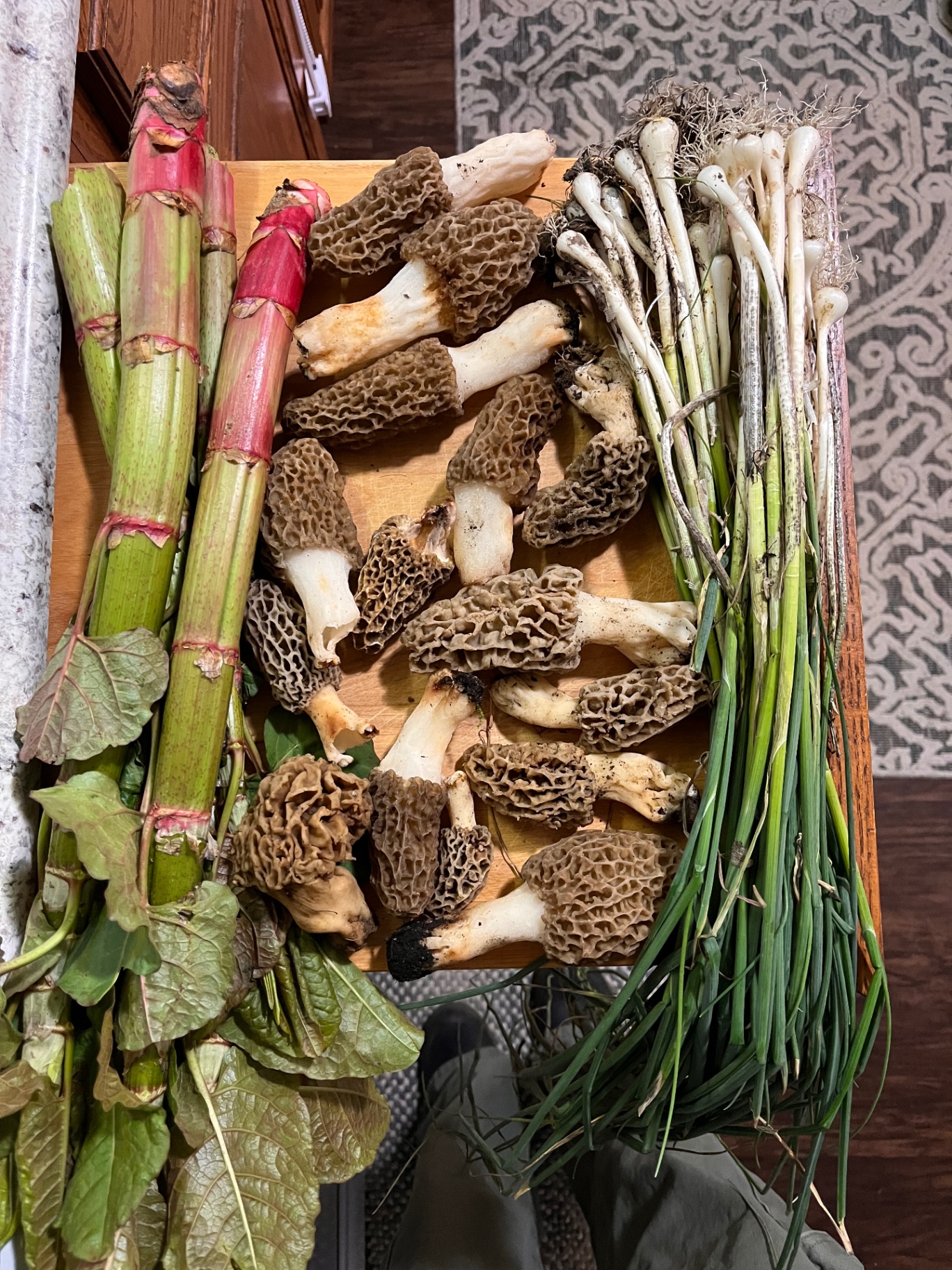
Spring in the Mid-Atlantic does not arrive all at once. It arrives in a sequence, and once you know the order, you stop waiting for spring and start watching it come.
The first signal is not a flower. It is sound: wood frogs and spring peepers in a woodland pool on the first warm rain of late February or March. The last signal, six weeks later, is a closed canopy, when the forest floor goes dim and the ephemerals shut down for the year.
Everything below happens in the space between those two markers, in yards and roadside edges as often as in parks.
What to look for
Wood frog and spring peeper chorus
Woodland pools, ditches, flooded low spots
Late February through March, after dark, on the first rain above 45°F. Wood frogs sound like ducks. Peepers are a high, ringing sleigh-bell sound. Go out at dusk and stand still for two minutes before deciding nothing is there.
Spring ephemerals
Moist wooded slopes and stream banks
Bloodroot and spring beauty first, then trout lily, Virginia bluebells, mayapple, and trillium through April. They flower and finish before the trees leaf out. If you miss the two-week window, you wait a year.
Skunk cabbage
Seeps, swampy edges, wet ditches
February and March. The mottled purple hood melts its own hole in snow. It is the earliest thing blooming and the one most families walk past.
Eastern redbud and dogwood
Forest edges, roadsides, yards
Redbud in April, blooming straight out of bare branches. Flowering dogwood follows. Redbud flowers are edible and faintly sour, which children find extremely important.
Warbler migration
Anywhere with trees, including a parking lot island
Late April into mid-May, heaviest in the first hours after sunrise. You are more likely to hear one than see one. Count sounds instead of birds.
Salamander egg masses
Vernal pools, no fish
March and April. Cloudy grapefruit-size jelly attached to submerged sticks. Look, do not lift. Spotted salamanders lay these on one or two rainy nights a year.
Morel and other spring fungi
Old orchards, tulip poplar and ash stands
Late April into May, roughly when mayapples unfurl. Treat every mushroom as a look-only find unless an experienced adult identifies it.
Three short walks
The five-minute frog listen
After dinner on a rainy spring night, step out the door and set a timer for five minutes. Do not walk anywhere. Ask each person to hold up a finger for each different sound they hear. Compare at the end. This works in a suburb.
One patch, three visits
Pick a square yard of ground you pass daily and photograph it once a week from March to May. The change is invisible day to day and startling across three photos.
Bloom order, not bloom names
Keep a running list of what opens, in the order it opens, with a drawing instead of a name. The sequence repeats every year, so by the second spring your child predicts what is next.
What to carry
- Take a blank page and a pencil, nothing else, on the frog listen.
- Pick one ephemeral to draw at actual size instead of five to identify.
- Bring a magnifier for the underside of a mayapple leaf, which is a small tent full of things.
Spring is the season that rewards frequency over distance. A yard visited eleven times in April will show you more than one long drive to a famous trail.
Something to carry outside
Our seasonal activity pages and printables are built for these walks — one page, one prompt, back outdoors.