Seasonal Activities
Activities by season.
Hands-on adventures that follow the calendar. Each one is written like a recipe for curiosity, with almost always a pocketful of treasures to bring back inside. Every Field Day is a $6 printable PDF.
By season
What each season hands you.
A short list of what is worth looking for right now, so you can step outside without planning anything first.
March · April · May
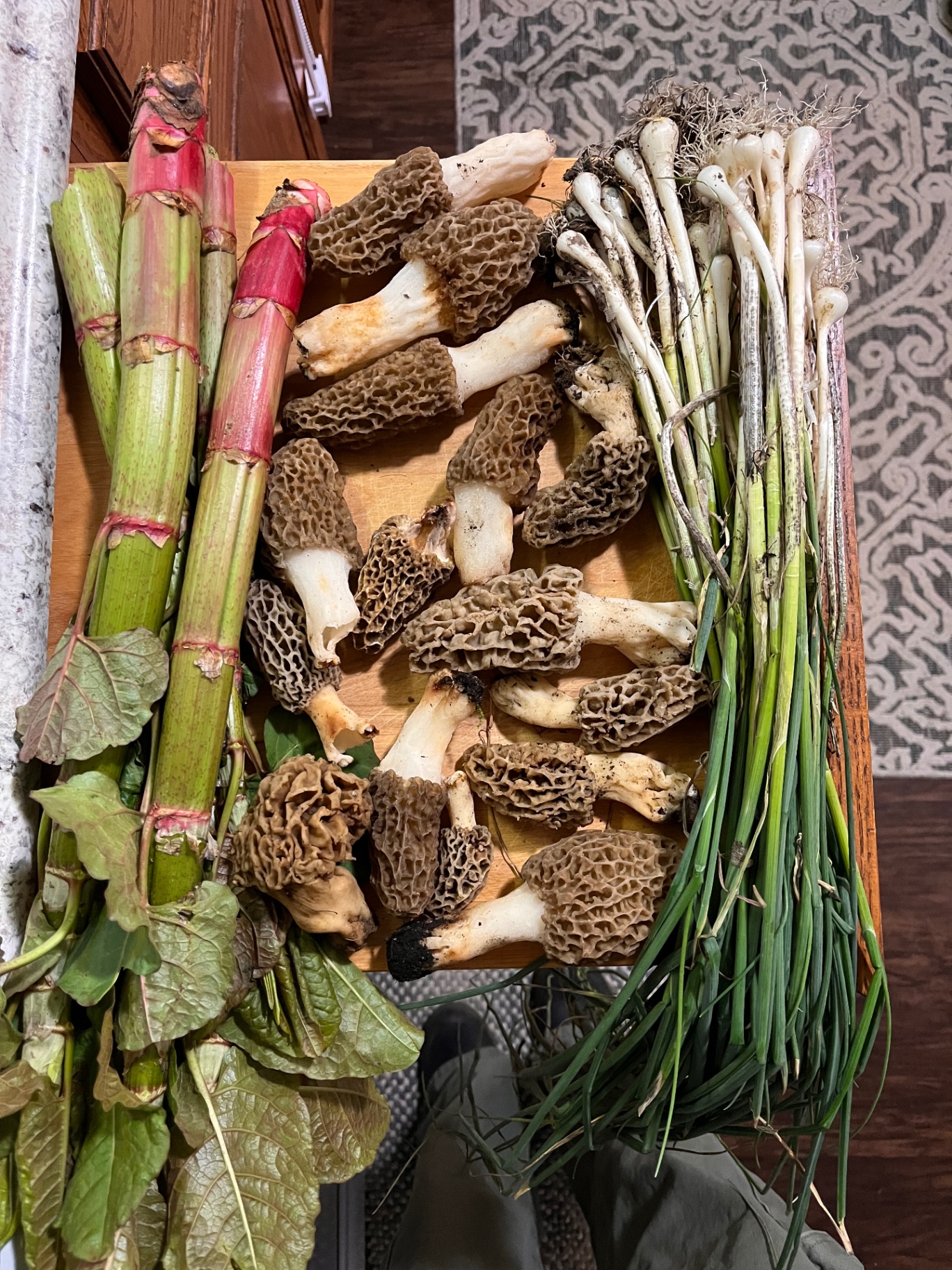
Spring
First green, loud frogs, and the mud that makes everything possible.
What to notice
- Ephemerals. Trout lily, trillium, spring beauty — up and gone in three weeks.
- Frog song. Peepers first, then wood frogs. Stand still and count the voices.
- Mud. Look for tracks pressed into the soft edges of puddles and paths.
- Buds opening. Pick one branch and check it the same time every day.
Ask: what wasn't here last week?
Full spring guide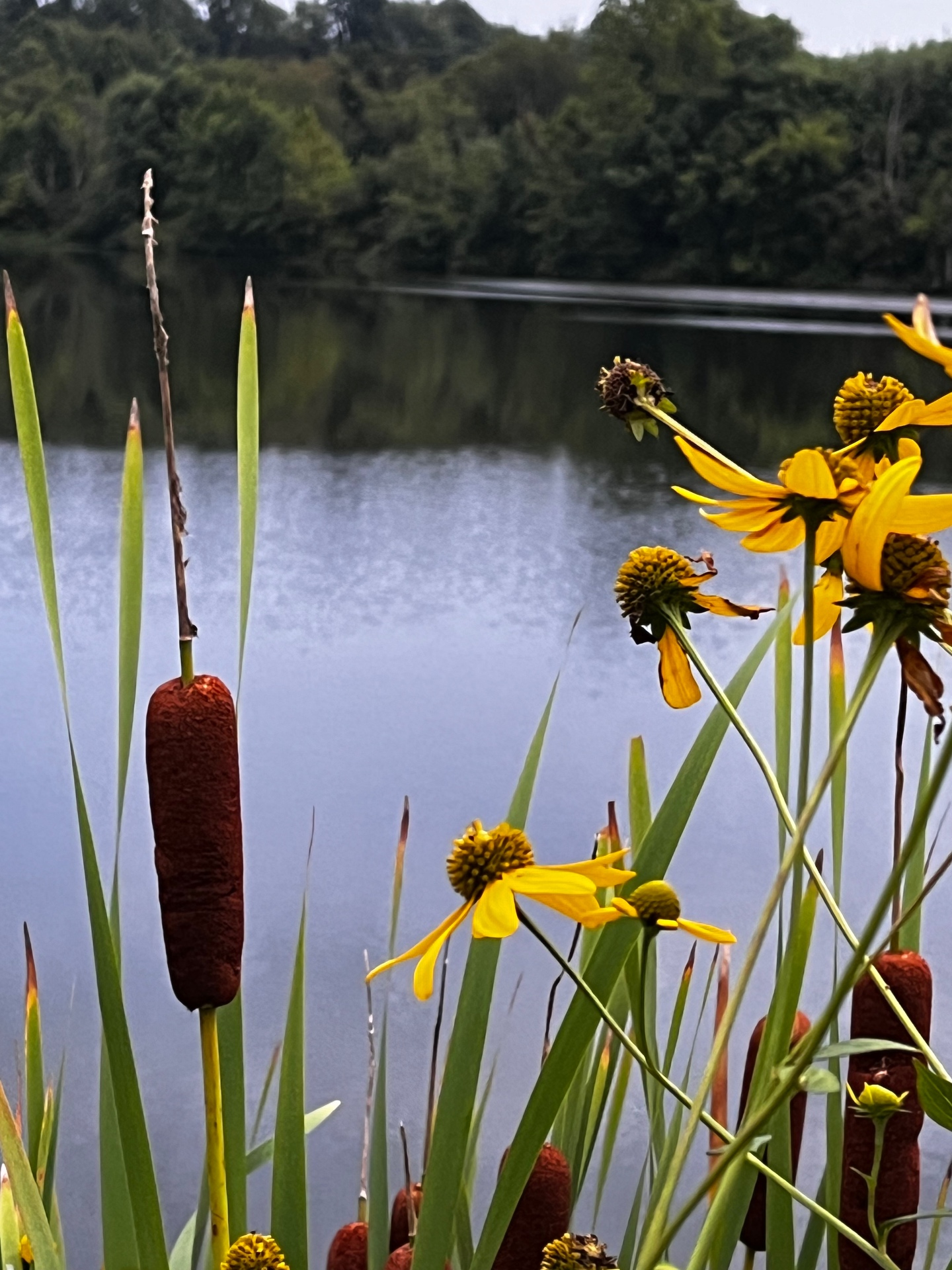
June · July · August
Summer
Fireflies, cattails at the pond edge, and the small water everyone steps over.
What to notice
- Fireflies. Watch the pattern, not the bug. Different flashes mean different species.
- Cicadas. Hunt the empty shells on tree trunks and fence posts.
- Pond edges. Cattails, water striders, and whatever moves when your shadow lands.
- Puddles. The smallest water holds the most life. Kneel down before stepping over.
Ask: what is living in the water you almost walked past?
Full summer guide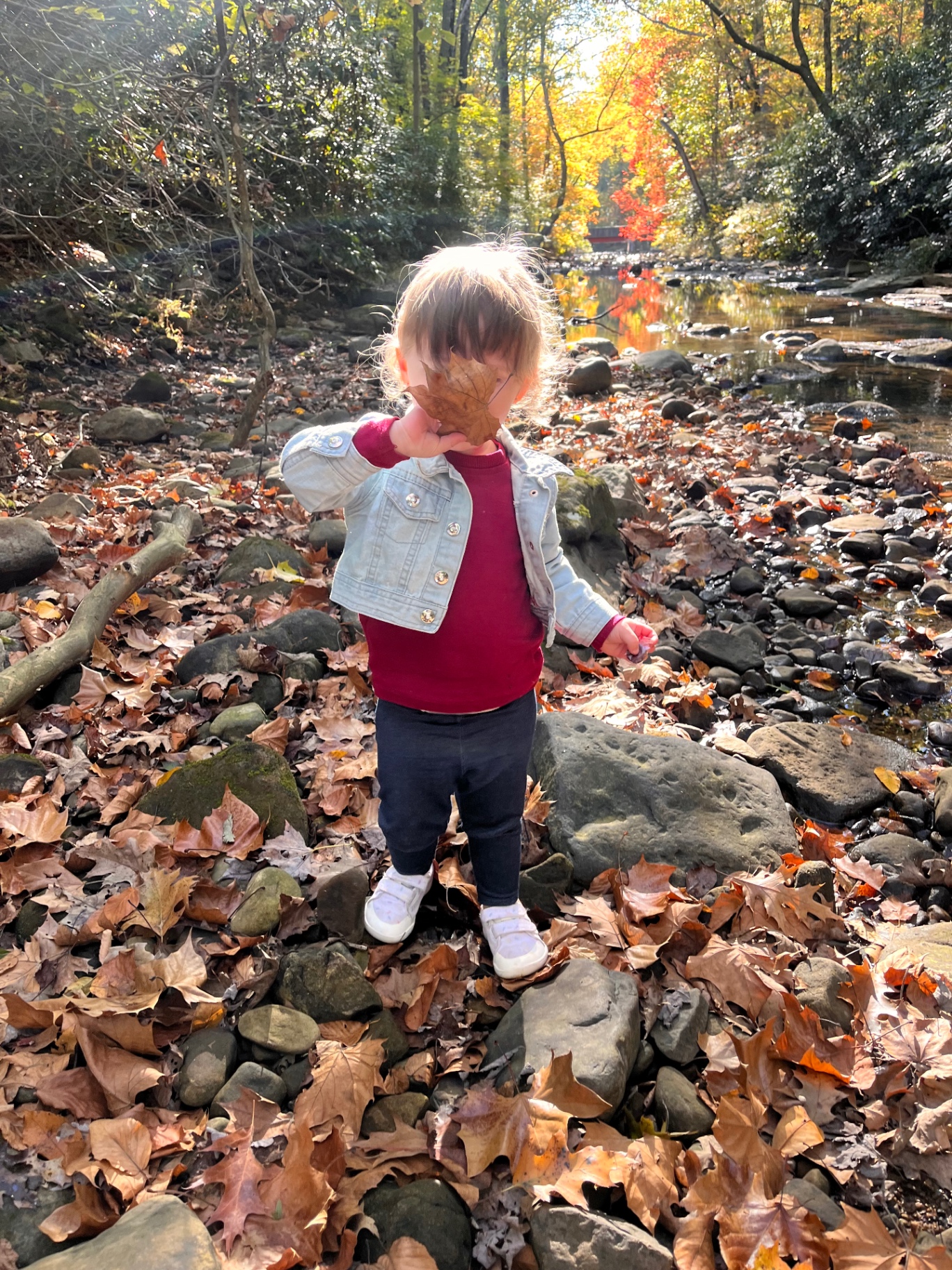
September · October · November
Fall
Seed dispersal, hawk streams, and the leaf that tells you which tree it left.
What to notice
- Seed dispersal. Wind, water, hitchhiker, or hoard — sort a pocketful by how it travels.
- Leaf shapes. Match a fallen leaf back to the tree it left.
- Hawk streams. Clear, breezy afternoons move raptors along the ridges.
- Fungi. After rain, check stumps and the shady side of logs.
Ask: how did this seed plan to get somewhere?
Full fall guide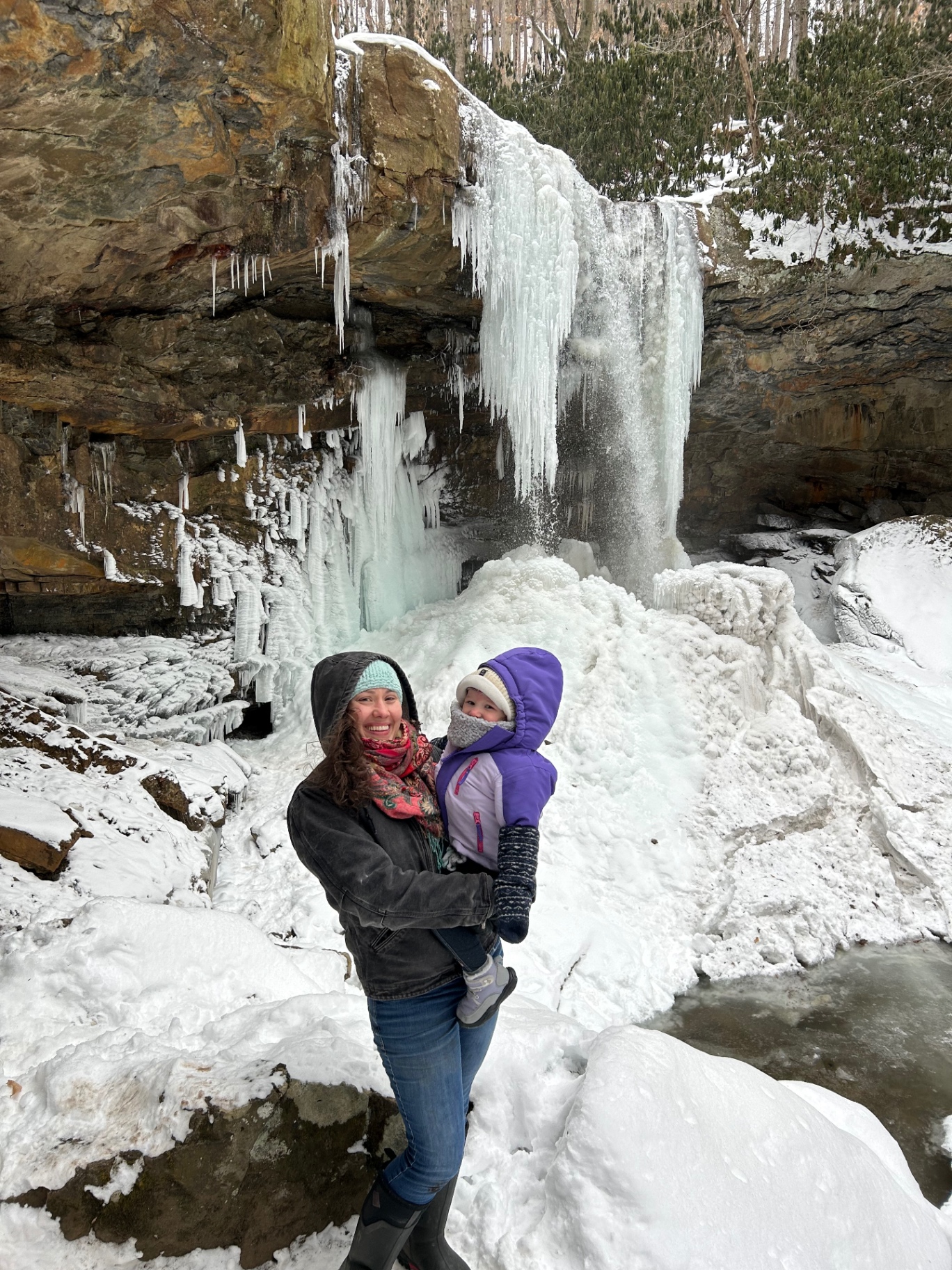
December · January · February
Winter
Bare-branch shapes, tracks in mud, and the nests that were hidden all year.
What to notice
- Bare-branch shapes. Silhouettes are easier to tell apart than summer leaves.
- Tracks. Mud keeps a record. So does frost. So does snow. Follow one set as far as it goes.
- Old nests. Everything that was hidden by leaves is suddenly visible.
- Ice. Look at the edges. Look for bubbles. Notice how water keeps moving underneath.
Ask: who was here before we were?
Full winter guideThe Slug Terrarium
FreeA rainy-week activity with video. Build a moss terrarium, keep a few slugs and snails for a week, then return them to the log they came from. (Trigger warning: slugs.)
Spring & Autumn · Ages 3–12 · Free
Read the activityA Season of Field Days — Five Outings + the Field Day Picker
$24All five Field Days in one download, plus the Field Day Picker — a bundle-only page that asks three questions about the weather, your time, and your child's age, then points you at the outing that fits.
Bundle · Ages 3–12 · Save $6
Get all five + the PickerField Day: Leaf Sorting on the Nature Table
$6Gather a small pile from the yard. Sort by shape or by color. Let the arranging become the lesson.
Autumn · Ages 3–10
Get the activityField Day: Mud Kitchen Recipes
$6Petal soup, acorn stew, dandelion pie. A short list of open-ended recipes for outdoor play with the ingredients already at your feet.
Spring & Summer · Ages 3–8
Get the recipesField Day: What Will Float?
$6A water-and-wonder experiment. Gather small finds from outside, guess what floats, then test each one and record what actually happens.
Spring & Summer · Ages 3–10
Get the experimentField Day: Puddle Investigations
$6A rainy-day field study of one small place where water gathers. Choose a single puddle, look before stepping close, then record its shape, its surface, and what rests along the edge.
Spring · Ages 4–10
Get the field studyField Day: The Seed Collecting Walk
$6A slow walk with envelopes and labels, tucking away next spring's garden one pod at a time.
Autumn · Ages 5–12
Get the activity
New pieces are added slowly, after they've been used in our own home and worn a little at the edges.
Get Field Notes by email